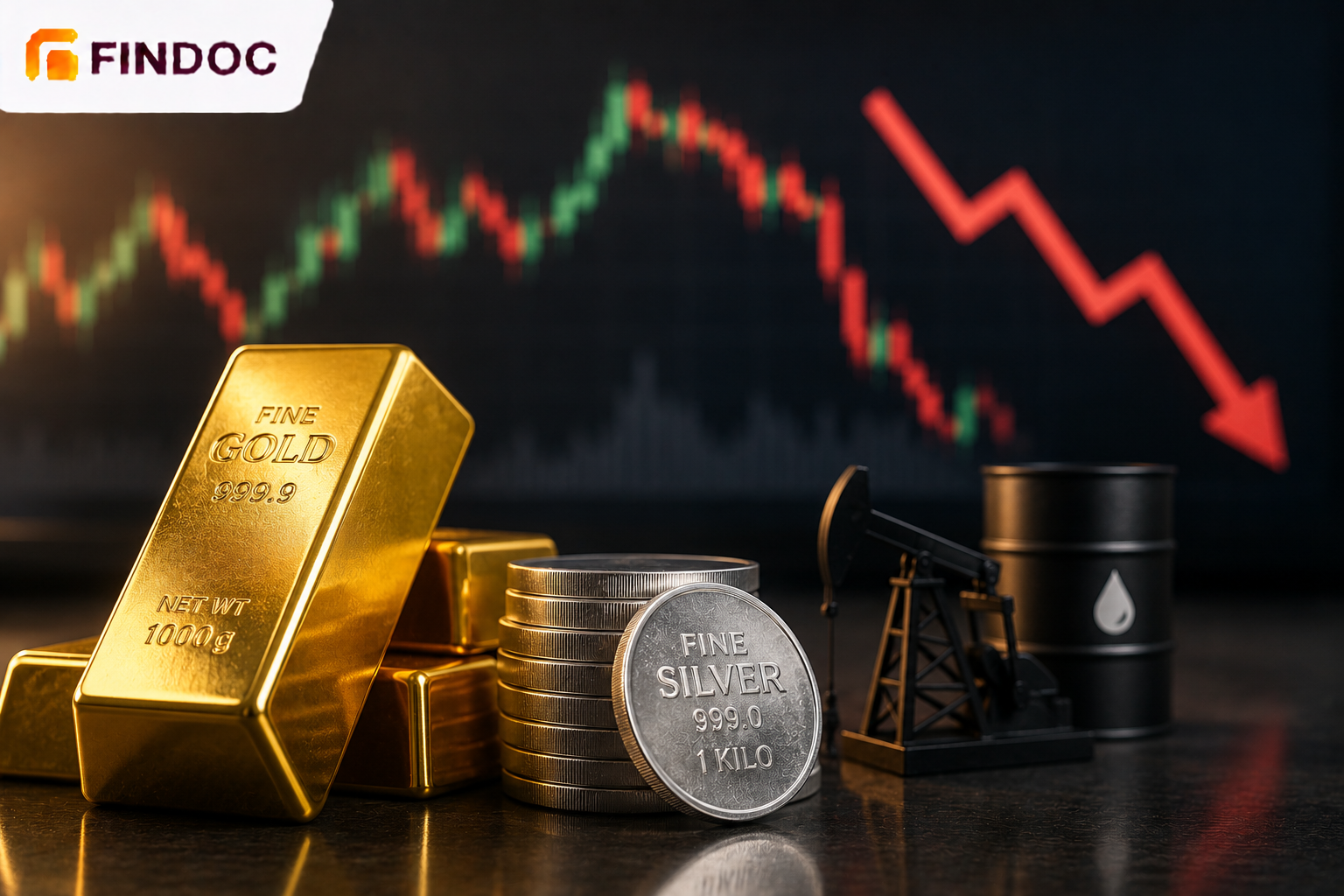
Gold and silver prices staged a strong recovery recently, regaining upward momentum after a brief pullback. Meanwhile, crude oil dropped below the key $100-per-barrel level. These moves have drawn significant attention from commodity investors and market analysts worldwide.
The shift in commodity prices reflects broader market forces, including inflation concerns, currency movements, and shifting demand signals. As a result, investors are closely watching how these trends develop in the coming weeks.
Deal Highlights
The key commodity price movements are summarized below for quick reference:
| Commodity | Previous Level | Recent Level | Change Direction |
|---|---|---|---|
| Gold | Not disclosed | Regained momentum | Upward |
| Silver | Not disclosed | Regained momentum | Upward |
| Crude Oil | Above $100/barrel | Below $100/barrel | Downward |
These movements represent notable shifts across major commodity markets. In addition, they signal changing investor sentiment toward risk and safe-haven assets. The exact price figures were not disclosed in full detail by the source.
Why It Matters
Potential Business Impact
Gold and silver are traditional safe-haven assets. Investors often turn to them during periods of economic uncertainty or inflation. Their renewed momentum suggests that market participants may be growing cautious about broader economic conditions.
However, the fall in crude oil below $100 a barrel carries different implications. Lower oil prices can reduce input costs for businesses and ease inflationary pressure. This means consumers and industries dependent on energy may see some relief in the near term.
For commodity-linked stocks and funds, these movements matter significantly. In addition, companies in the energy sector may face revenue pressure as crude oil prices decline. Meanwhile, gold and silver miners could benefit from higher precious metal prices.
Market Reaction
Investor reaction to these commodity moves has been notable. Gold and silver recovering momentum tends to attract buying interest in related exchange-traded funds (ETFs) and mining stocks. As a result, volumes in these segments typically rise during such periods.
On the other hand, crude oil’s decline below $100 per barrel may weigh on oil and gas stocks. Energy companies often see their earnings closely tied to benchmark crude prices. Following this drop, analysts will likely reassess near-term earnings forecasts for major oil producers.
| Market Segment | Likely Reaction | Key Driver |
|---|---|---|
| Gold ETFs / Miners | Positive sentiment | Rising gold prices |
| Silver ETFs / Miners | Positive sentiment | Rising silver prices |
| Oil & Gas Stocks | Negative pressure | Crude below $100 |
| Broader Equity Markets | Mixed | Balancing inflation vs. energy relief |
Industry Context
Commodity markets have experienced heightened volatility in recent months. Global supply chain disruptions, geopolitical tensions, and central bank policy shifts have all contributed to sharp price swings. Meanwhile, energy markets in particular have remained sensitive to global demand signals.
Gold and silver had faced selling pressure earlier, as rising interest rates reduced the appeal of non-yielding assets. However, renewed buying interest suggests that investors are once again seeking protection against inflation and currency risks. This is a pattern that has repeated several times in recent market cycles.
Crude oil, in contrast, had surged sharply earlier in the year. Geopolitical factors and supply concerns drove prices well above $100 per barrel. As a result, the recent decline may reflect easing supply fears or softening demand expectations.
What Investors Should Watch Next
- Gold and silver price levels: Watch for sustained momentum above key resistance levels in both metals.
- Crude oil supply data: Weekly inventory reports will indicate whether the drop below $100 is short-term or sustained.
- Central bank policy signals: Interest rate decisions directly impact gold and silver prices.
- Currency movements: A stronger or weaker US dollar significantly influences commodity prices globally.
- Earnings updates from energy and mining companies: These will reflect the real business impact of current commodity price trends.
Conclusion
Gold and silver regaining momentum while crude oil falls below $100 per barrel marks a meaningful shift in commodity markets. Investors should treat these developments as signals of changing risk appetite and inflation expectations. In addition, the divergence between precious metals and energy prices creates both opportunities and risks across different sectors.
Monitoring these trends in real time is essential for timely decision-making. A best trading platform helps investors track and act on such developments in real time. Staying informed and disciplined remains the key to navigating commodity market volatility effectively.
Investor Takeaways
- Precious metals offer a hedge: Gold and silver regaining momentum suggests safe-haven demand is returning. Consider reviewing exposure to gold and silver ETFs or related stocks.
- Energy sector caution: Crude oil below $100 may pressure oil and gas earnings. In addition, this could affect dividend outlooks for energy-heavy portfolios.
- Start investing with ease: Investors can open demat account online to start trading commodities, ETFs, and stocks quickly and efficiently in today’s fast-moving markets.
Leave a Reply