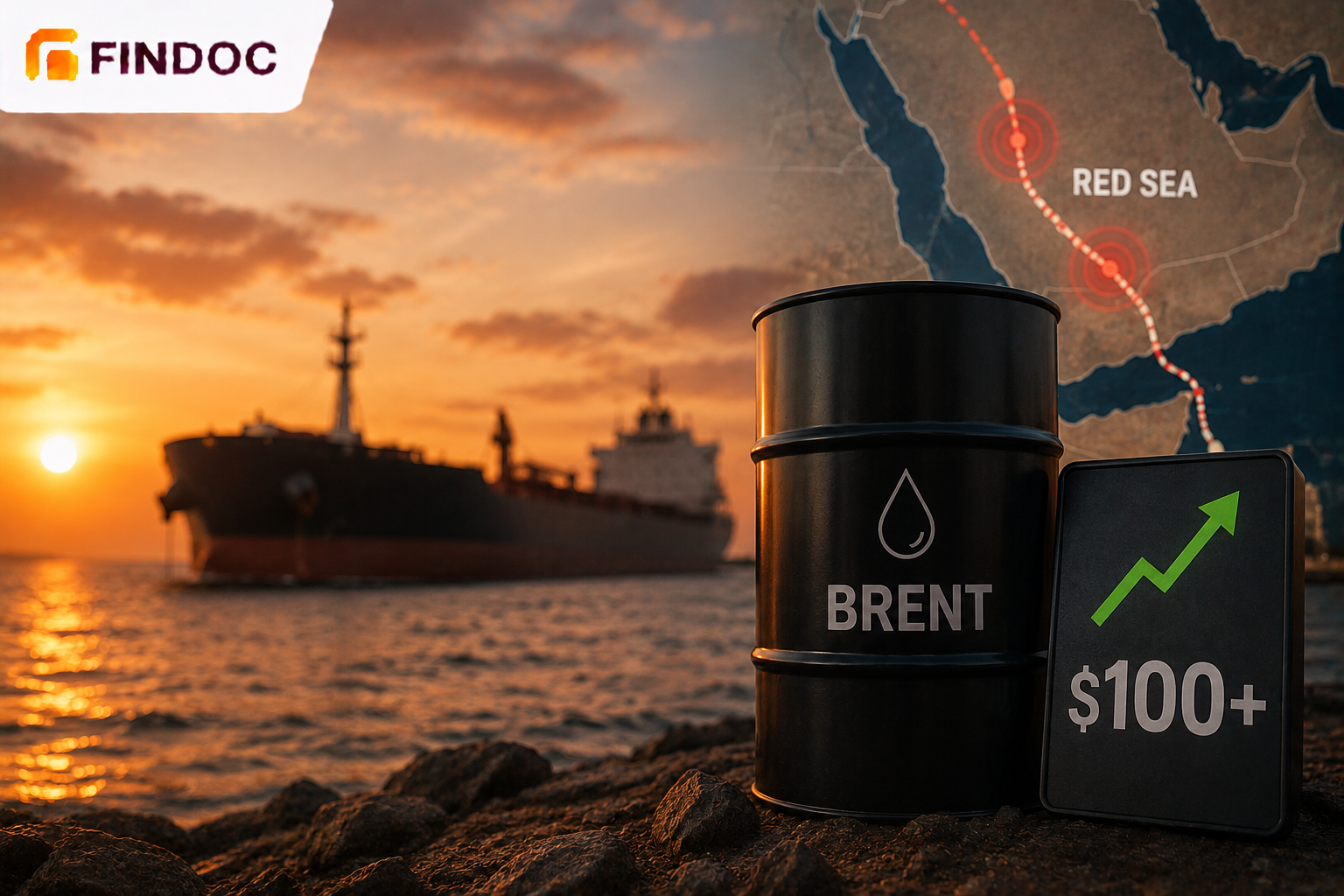
Brent crude oil prices climbed above the $100 per barrel mark as geopolitical tensions escalated in the Middle East. Red Sea shipping disruptions and growing fears of a broader Iran-linked conflict pushed energy markets into high alert. As a result, energy stocks surged globally, while investors scrambled to reassess their portfolios. This development marks a significant moment for commodity traders and equity investors alike.
Deal Highlights
The price spike stems from two major pressure points: ongoing Red Sea disruptions and rising concerns over potential Iran-linked military conflict. These factors combined to tighten oil supply expectations sharply. Meanwhile, shipping companies rerouted vessels away from the Red Sea, adding cost and time to global trade routes.
| Metric | Detail |
|---|---|
| Brent Crude Price | Above $100 per barrel |
| Key Trigger 1 | Red Sea shipping disruptions |
| Key Trigger 2 | Iran war escalation concerns |
| Previous Price Level | Not disclosed |
| Date of Spike | Not disclosed |
| Major Impacted Region | Middle East / Global shipping lanes |
In addition, energy analysts noted that the combination of supply-side shocks and geopolitical uncertainty created a rare convergence of upward price pressures.
Why It Matters
Potential Business Impact
Oil prices above $100 per barrel carry wide-ranging effects across industries. Airlines, logistics firms, and manufacturers face higher input costs immediately. However, energy producers and oil-linked equities stand to benefit significantly from elevated prices.
Shipping companies that reroute around the Red Sea face longer voyages and higher fuel bills. This means consumers could eventually see price increases on imported goods. In addition, central banks may face renewed inflationary pressures, complicating their monetary policy decisions.
Energy-exporting nations gain budget windfalls at these price levels. Meanwhile, energy-importing economies face growing current account pressures. The broader economic ripple effect touches nearly every sector of the global market.
Market Reaction
Energy stocks responded sharply to the price surge. Oil majors saw their share prices climb as investors priced in stronger earnings ahead. Meanwhile, broader equity indices showed mixed reactions, reflecting uncertainty about inflation and interest rates.
| Market Segment | Reaction |
|---|---|
| Global Energy Stocks | Strong gains |
| Shipping Stocks | Mixed; cost pressures noted |
| Broader Equity Indices | Mixed reaction |
| Commodity Markets | Bullish on crude and related assets |
| Bond Markets | Not disclosed |
Following this spike, trading volumes in energy futures rose sharply. Investors moved quickly to add energy exposure to their portfolios. As a result, crude oil futures contracts saw heightened activity across major exchanges.
Industry Context
The Red Sea is one of the world’s most critical shipping corridors. It connects Europe and Asia through the Suez Canal, carrying a significant share of global trade. Therefore, any disruption in this route immediately affects supply chains and commodity pricing.
Iran’s role in regional geopolitics adds another layer of complexity. Tensions involving Iran have historically triggered sharp oil price movements. However, the current situation appears more severe due to the simultaneous nature of multiple disruptions occurring together.
Global oil markets were already navigating tight supply conditions before this escalation. OPEC+ production cuts had kept inventory levels lean. In addition, demand from Asia remained robust, leaving little buffer for unexpected supply shocks.
What Investors Should Watch Next
- Red Sea situation updates: Any escalation or resolution will directly move oil prices.
- Iran-related diplomatic developments: Watch for statements from the U.S., EU, and regional powers.
- OPEC+ response: Member nations may adjust output targets in response to price levels.
- Inflation data releases: Higher oil prices could push inflation figures upward in coming months.
- Central bank commentary: Fed and ECB officials may signal policy adjustments tied to energy-driven inflation.
Conclusion
Brent crude’s move above $100 per barrel signals a new phase of energy market volatility. Geopolitical risk, shipping disruptions, and tight supply conditions are all pushing prices higher simultaneously. However, investors who stay informed and act decisively can navigate this environment effectively.
Energy sector exposure looks increasingly attractive under these conditions. In addition, commodity-linked assets may offer portfolio diversification benefits during this period of uncertainty. A best trading platform helps investors track and act on such developments in real time, ensuring they never miss a critical market move.
Investor Takeaways
- Act on energy exposure: Oil above $100 makes energy stocks worth reviewing in your portfolio immediately.
- Diversify with commodities: Consider crude oil futures or ETFs to hedge against further supply shocks.
- Start investing today: Investors can open demat account online to access energy stocks and commodity instruments quickly and efficiently.
| Also Explore | |
|---|---|
| Top Gainers Today | Top Losers Today |
| Top Performers | Under Performers |
| Advances & Declines | Heat Map |
| ADR Prices | Bulk Deals Today |
| Penny Stocks | Penny Stocks Under ₹1 |
Leave a Reply