findocblog

Blog

  • Swiggy IPO Analysis: Know Key Details Before You Apply

    Swiggy IPO Analysis: Know Key Details Before You Apply

    Swiggy, one of India’s largest consumer-focused platforms, is set to launch its Initial Public Offering (IPO). Before applying, review these details to understand what this offering involves. This article gives an overview of Swiggy’s IPO, highlights of the company, its main strengths, and potential risks.

    Swiggy IPO Details

    Bidding Dates

    6 Nov 2024 – 8 Nov 2024

    Minimum Investment

    Price Range

    ₹371 – ₹390

    Maximum Investment

    Retail Discount

    To be announced

    Issue Size

    ₹11,327 Crores

    Investor Category and Subcategory

    Qualified Institutional Buyers (QIBs) |  Retail Individual Investors |  Non-institutional Investors (NIIs)

    Swiggy IPO Dates

    IPO Opening Date 6 Nov 2024
    IPO Closing Date 8 Nov 2024
    IPO Allotment Date 11 Nov 2024
    Initiation of Refunds 12 Nov 2024
    Listing Date 13 Nov 2024

    Swiggy’s IPO issue size is around ₹12,750 crore. This includes a fresh issue of ₹4,500 crore and an Offer for Sale (OFS) of ₹8,250 crore. The expected price per share is ₹395, targeting a market cap of ₹95,000 crore upon listing. The IPO will tentatively open on November 6, close on November 8, and list on November 13.

    About Swiggy

    Founded in 2014, Swiggy has grown into one of India’s largest online food delivery platforms. The app allows users to browse, order, and pay for food easily. Beyond food delivery, Swiggy offers services like:

    • Instamart: Quick-commerce delivery for groceries and household items.
    • Dineout: Restaurant reservation platform.
    • SteppinOut: Booking for events and experiences.
    • Swiggy Genie: Hyperlocal pick-up and drop-off service.
    • Swiggy Minis: Smaller hyperlocal commerce activities.

    As of June 30, 2024, Swiggy served 112.73 million users and employed over 5,400 people. It operates with a strong delivery partner network across multiple cities and has 605 dark stores supporting Instamart as of September 2024.

    Things to Know Before Applying for Swiggy IPO

    Peer Details:

    Company EPS PE Ratio RoNW % NAV Market Cap
    Zomato Limited 0.41 742.50 1.72 23.14 ₹2,24,399 Cr

    Strengths of the Company

    1. Versatile Platform

    Swiggy’s platform covers services beyond food delivery. It offers grocery delivery, event bookings, and restaurant reservations, attracting more revenue streams and a wider audience.

    2. Growing User Base

    Swiggy reached over 112.73 million transacting users by mid-2024. This large base allows Swiggy to use data for targeted marketing.

    3. In-App Payment Options

    Swiggy offers payment choices like Swiggy Money, Swiggy UPI, and a co-branded credit card with HDFC Bank. These options give customers added discounts and benefits.

    4. Revenue Growth

    Swiggy’s revenue rose from ₹5,704.90 crore in FY22 to ₹8,264.60 crore in FY23, and ₹11,247.39 crore in FY24, showing steady demand growth.

    5. Technology-Driven Operations

    Swiggy uses analytics to personalize recommendations and improve delivery routes, reducing last-mile delivery times and enhancing the user experience.

    Risks Related to the Company

    1. Ongoing Losses

    Swiggy has posted annual losses since its inception. In FY24, it reported a loss of ₹2,350.24 crore, improving from ₹4,179.30 crore in FY23. Swiggy’s path to profitability remains unclear, which could affect investor interest.

    2. Reliance on Delivery Partners

    Swiggy relies on delivery partners but lacks exclusive contracts with them. Partner shortages or retention issues could disrupt its operations.

    3. Challenges in Retaining Partners

    Swiggy’s success depends on restaurant, merchant, and brand partners. High turnover or rising costs to retain these partners may impact financial performance.

    4. Challenges in Quick Commerce

    Swiggy’s quick commerce service Instamart depends on factors like dark store location and density. Inefficient operations may lead to higher costs and reduced profitability.

    5. Legal and Regulatory Risks

    Swiggy, along with its subsidiaries and some directors, faces ongoing legal cases. Negative rulings could impact the company’s financial position and reputation.

    6. Debt Obligations

    Swiggy’s debt stood at ₹255.58 crore as of July 31, 2024. Inability to service this debt could affect financial stability.

    Financial Information of the Company

    Period Ended Year ending on March 31, 2024 Year ending on March 31, 2023 Year ending on March 31, 2022
    Assets 10,529.42 11,280.65 14,405.74
    Revenue from Operations (in ₹ million) 11,634.35 8,714.45 6,119.78
    Profit After Tax (PAT) (in ₹ million) -2,350.24 -4,179.31 -3,628.9
    Net Worth (in ₹ million) 7,791.46 9,056.61 12,266.91
    Reserves and Surplus -7,880.85 -6,510.34 -3,311.1
    Total Borrowings (in ₹ million) 211.19

    Source: Swiggy Limited RHP | Company Profile: Swiggy Limited

    Conclusion

    Swiggy’s IPO offers an opportunity to invest in high-growth sectors like online food delivery and quick commerce. The company’s strengths include a diverse platform, strong revenue growth, and tech-driven operations. However, investors should weigh risks like profitability, reliance on delivery partners, and challenges in a competitive market.

    Before applying for any IPO, it is essential to evaluate these risks and follow the latest developments.

    FAQs

    Swiggy IPO is a main-board IPO. The company is set to raise ₹11,327.43 Cr via Initial Public Offering. The Swiggy IPO issue price is ₹371 to ₹390 per equity share. The IPO is to be listed on NSE and BSE India.

    The registrar of Swiggy IPO is Link Intime India Private Limited.

    Contact Information

    Link Intime India Private Limited

    C-101, 1st Floor, 247 Park
    L.B.S. Marg, Vikhroli West
    Mumbai 400 083
    Maharashtra, India

    Phone: +91 810 811 4949

    E-mail: swiggy.ipo@linkintime.co.in

    Website: www.linkintime.co.in

    The IPO will open for subscription by 6 November 2024 and will close by 8 November 2024.

    The investors’ portion of Swiggy IPO is 50% for QIB, 15% for NII, and 35% for Retail Investors.

    Once the IPO will be live, you will be able to apply directly at Findoc website.

    The IPO allotment date is 11 November 2024.

    The IPO listing date is 13 November 2024. It will be listed on both stock exchanges NSE and BSE.

  • Maximize the Benefits of Your Demat Account for Long-Term Wealth Creation

    Maximize the Benefits of Your Demat Account for Long-Term Wealth Creation

    A demat account is not just another digital shares locker. It’s your hallway to long-term wealth accumulation. Demat account growth momentum in India has been accelerating, with 6.28 crore demat accounts added since January 2023. Looking back to 2023, 4.2 million demat accounts were opened in December alone.

    This exponential rise in the opening of new demat accounts shows how Indian investors are embracing securities investment and are looking to tap into the benefits that a demat account presents. This is also your chance to embrace the same journey and diversify your investments and income streams.

    In this article, we’ll discuss 8 benefits of a demat account for long-term wealth creation and how to open one. Let’s dive in!

    8 Top Benefits That Your Demat Account Offers

    To exploit the full potential of your demat account, you should look beyond holding securities. Your demat account offers various benefits to accelerate your financial growth and maximize your long-term wealth creation. From frequent investments to future perspectives on risks and diversification, every benefit uniquely optimizes your overall investment. Let’s explore the 8 key benefits in detail.

    1. Periodic Investments

    With a demat account, you can periodically and systematically commit your funds to diverse investment vehicles like bonds, stocks, or mutual funds. As a result, you enjoy the benefits of compounding, meaning you earn income from your original investment and accrued returns. If you remain consistent, you’ll accumulate significant lifetime wealth.

    In addition, you leverage the rupee cost averaging to lower the negative effect of market volatility. This is when you buy additional security units when the prices are falling and less as the prices rise. Say you set aside a specific amount every month to invest in securities. You’ll automatically purchase more stocks when the market dips, which decreases your average share cost. This helps maximize your investment return as the market becomes favorable.

    2. Risk Control

    It’s important to have a well-balanced and resilient investment portfolio. Armed with your demat account, you’re exposed to various security classes, which helps you buffer your portfolio against rising market volatility and security prices. For example, government securities and bonds are safer, lower-risk options to include in your portfolio.

    Moreover, you can frequently calibrate your risk level to correspond with your investment approach and future financial objectives. If, for example, you realize the market is increasingly becoming volatile, you can swap your equity investments with bonds to contain your portfolio’s risk exposure.

    3. Long-Term Outlook

    A demat account offers long-term investments, allowing your investments to gain and compound over a longer period. As a long-term investor, you benefit from reduced tax on all your capital gains and escape short-run market variations.

    Unlike short-term trading, which is prone to market fluctuation impact, quality future-looking securities tend to appreciate with time, rewarding your investment patience. For instance, when you hold on to a quality stock for 15 years, you recoup significant returns, surpassing short-term trading approaches susceptible to inflated fees and a turbulent market.

    4. Due Diligence and Research

    With a demat account, you’re able to access relevant financial reports, securities performance data, and analyst recommendations. This allows you to conduct due diligence and exhaustively understand every reward and risk associated with the stock you plan to invest in.

    As a result, you avoid making poor investment decisions based purely on subjective judgment. Let’s say you plan on investing in stocks in the health industry. The performance data allows you to examine the industry’s stock growth prospects, and you avoid companies with poor stock performance.

    5. Specialized Financial Advice

    Brokers linked to your demat account, like Findoc, offer professional investment advice. They help you optimally balance your portfolio with the right security choices and advise when to adjust accordingly. They can also tailor tax-saving schemes that augment your wealth accumulation journey. For example, your broker may recommend certain equities customized to optimize your investment profile. This way, you remain focused on meeting your future financial goals.

    6. Investment Performance Tracking

    A demat account enables you to have a real-time view of your investment performance, including the number of dividends received and the cumulative stock value. With this data, you can learn about and plan the stock to reallocate on a need basis, allowing you to align your financial objectives with the prevailing market conditions. For example, if you overly invest in one security class, such as equities, and after some time, want to rebalance it and spread your risk, you can dispose of some securities and purchase bonds.

    7. Systematic Investment Plans (SIPs)

    With SIPs, you can automate your mutual fund investments effectively via your demat account. It allows you to cultivate an investment discipline by regularly committing to a fixed investment amount at specific time intervals. So you don’t have to worry about when to time the market. In addition, you steer clear of making a lumpsum ill-timed investment by averaging out the market.

    8. Tax Efficiency

    A demat account allows you to capitalize on investment options with tax-saving benefits, such as the Equity Linked Saving Scheme (ELSS). Additionally, when you hold your investment portfolio over an extended time, you may benefit from reduced tax on your capital gains. This is because long-term capital gains are subjected to a lower tax rate compared to short-term returns. For example, when you invest in a mutual fund, you benefit from market-linked stock growth and tax savings.

    Conclusion

    Maximizing your demat account helps build long-term wealth through regular investing, compounding, and risk diversification. It also offers easy portfolio tracking, tax optimization, and access to SIPs for better returns. Align your investments with market trends and boost your wealth potential. Ready to get started? Open a hassle-free demat account with Findoc today!

  • TradingView Charts Integration with Findoc

    TradingView Charts Integration with Findoc

    We are excited to share that Findoc is all set to integrate TradingView charts on all our platforms (Web and Mobile App). Now, you can easily analyze charts using TradingViews’s robust charting features and functions.

    Here are some of the key features that will be unlocked as a result of this integration between Findoc and TradingView:

    Multiple Full-screen Charts View with Pop-Out Feature

    Now, you can open multiple charts for different stocks and also keep track of each one of them individually. With the help of a stock screener, you can easily filter and analyze stocks based on various criteria, ensuring you focus on the most relevant opportunities. You can also set your own timeframes in each chart, allowing you to concentrate on both short-term movements and long-term trends simultaneously.

    It is quite easy to switch between these different charts or view them all at once. Thus, making sure to manage multiple stocks at the same time. This setup helps you stay on top of the market whether you’re day trading on simply monitoring instruments.

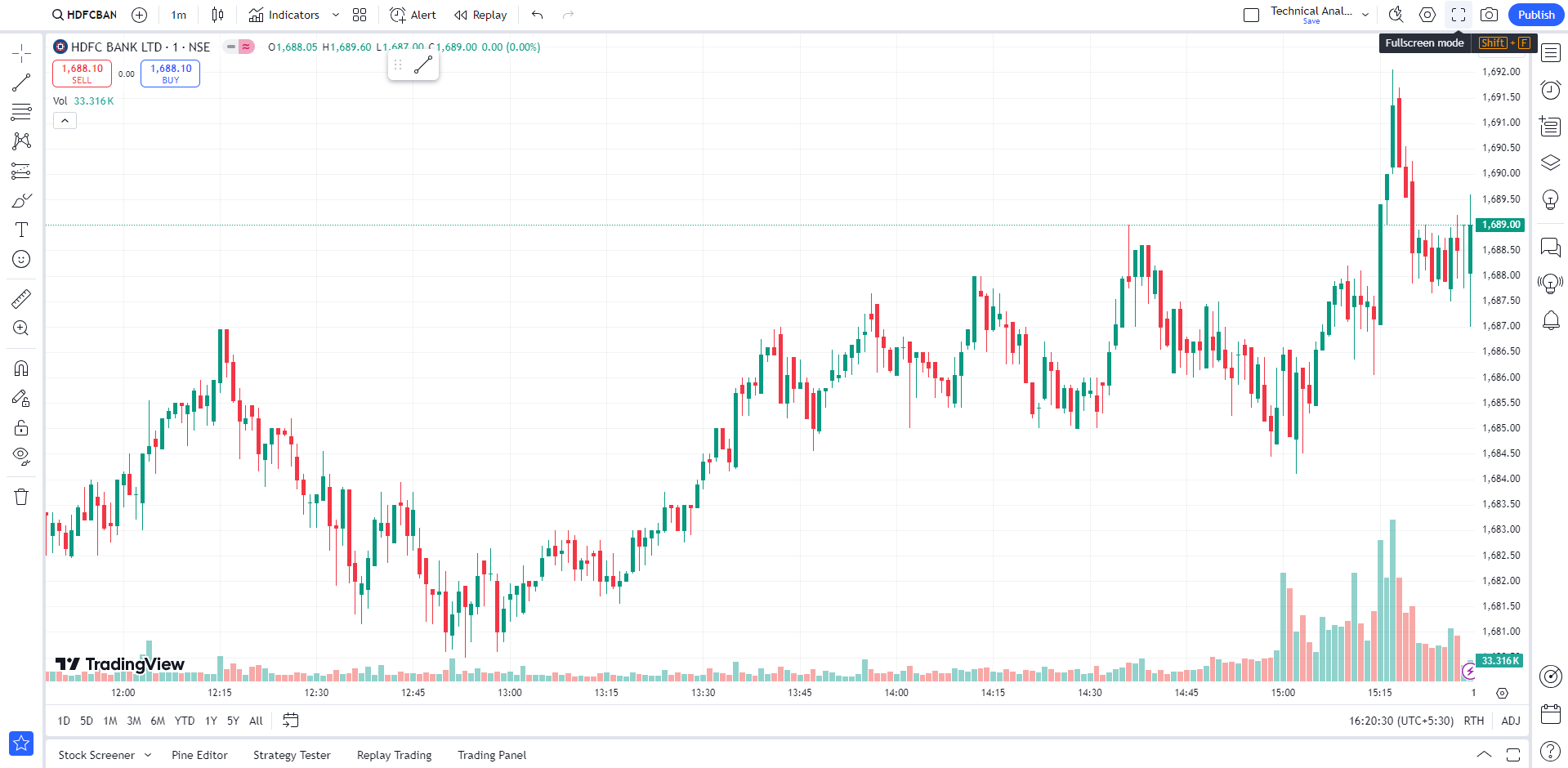
    pop out fullscreen mode in stock chart

    Advanced Indicators and Drawing Tools

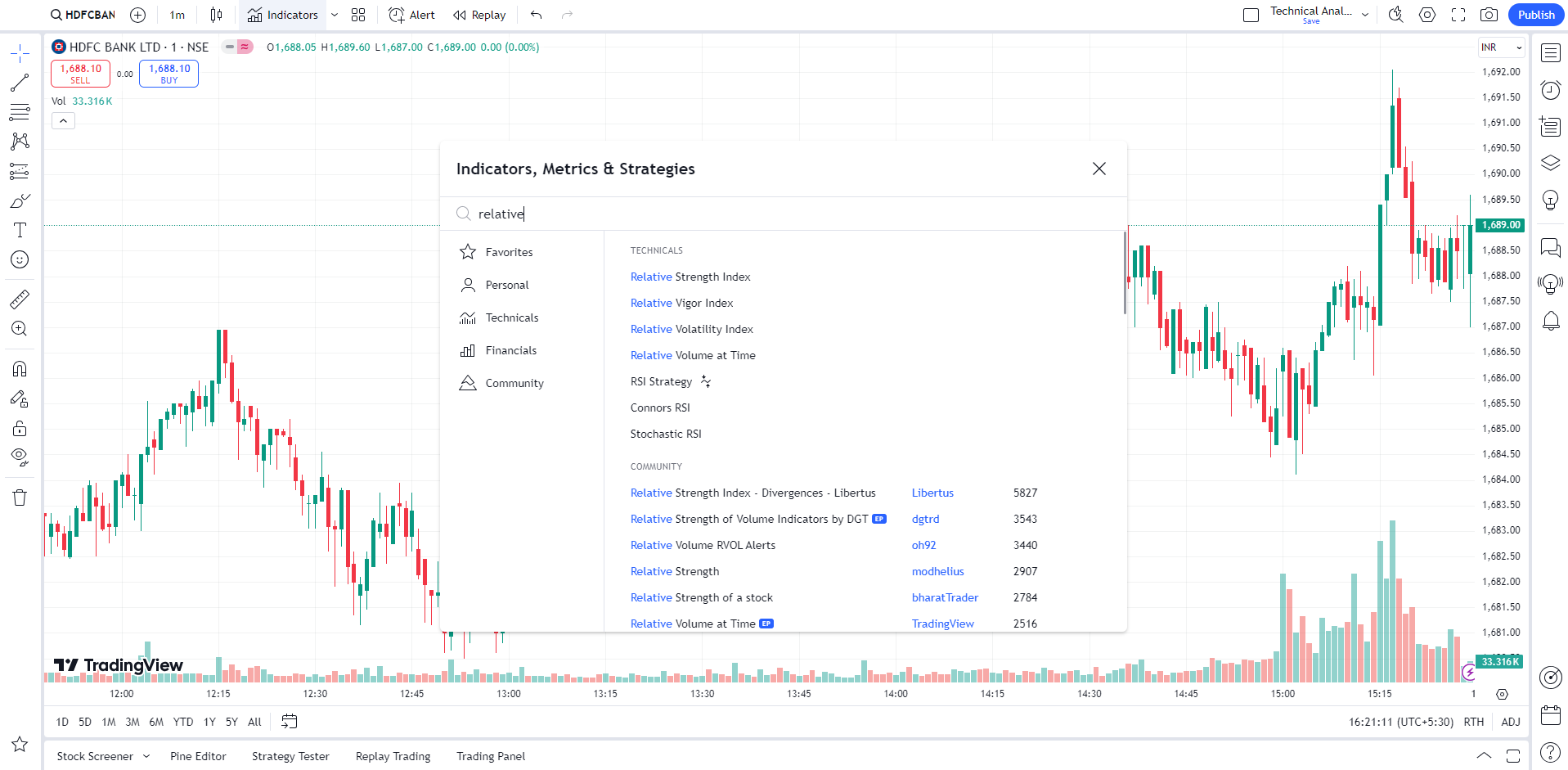
    With the new advanced indicators and drawing tools on TradingView, you can level up your technical analysis game. This new feature will help you track trends, identify support and resistance levels and also analyze chart patterns. Be it moving averages, oscillators, trendlines or Fibonacci retracements, this new feature gives you all the power to make informed decisions. This is perfect for advanced traders looking for more precision and depth in their analysis to spot opportunities and manage risks better.

    multiple advanced indicators

    Effortless Stock Search and Addition

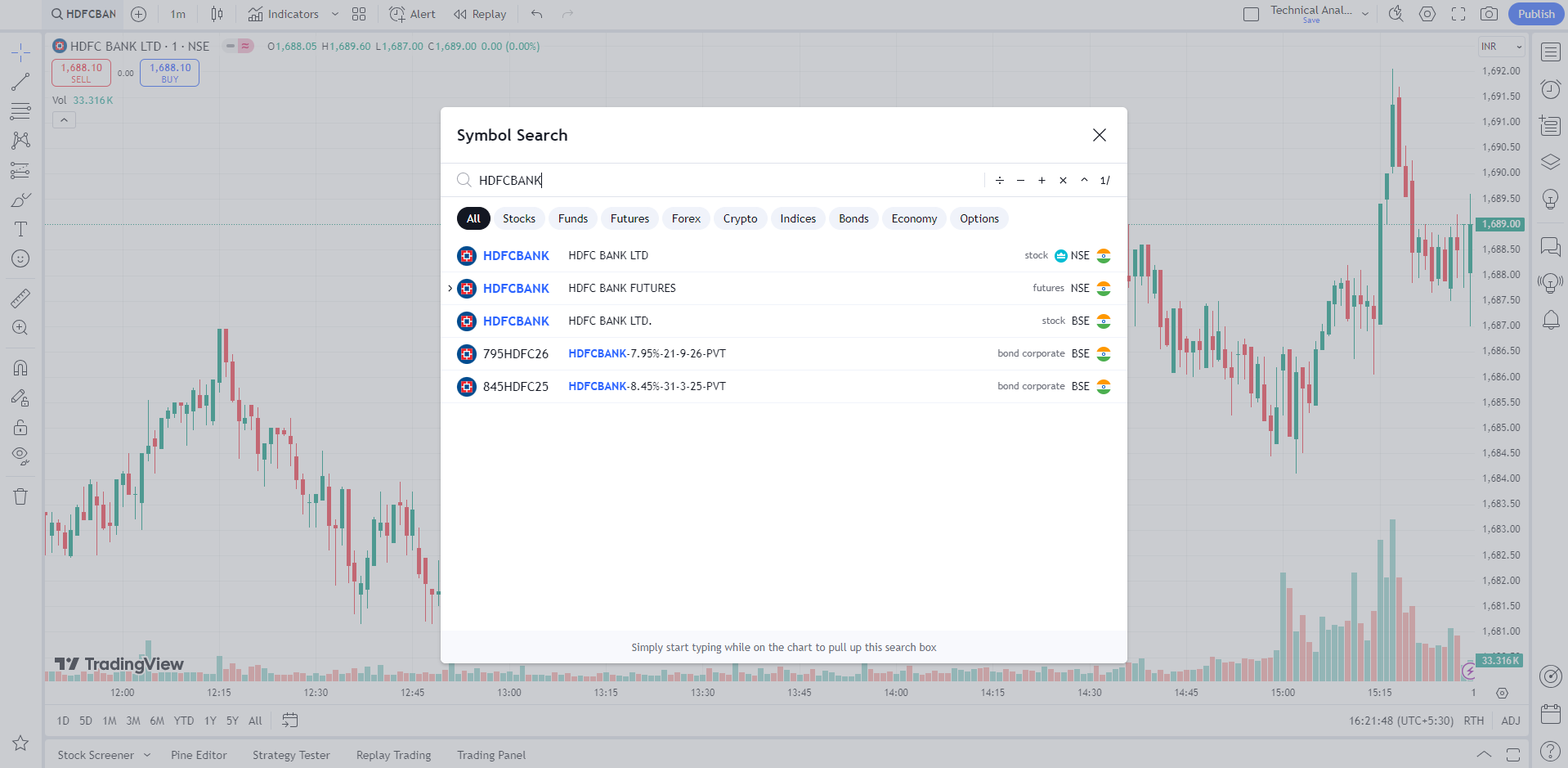
    Adding new stocks with just a few keystrokes is now a reality. It has become a lot easier to find stocks and add them to your watchlist and your full screen chart. No need to navigate through different menus. This feature helps you to switch between different stocks, allowing you to focus on analysis and not on managing your setup. This feature will help you stay agile and efficient during the fast moving markets.

    Customizable Chart Colors and Lines

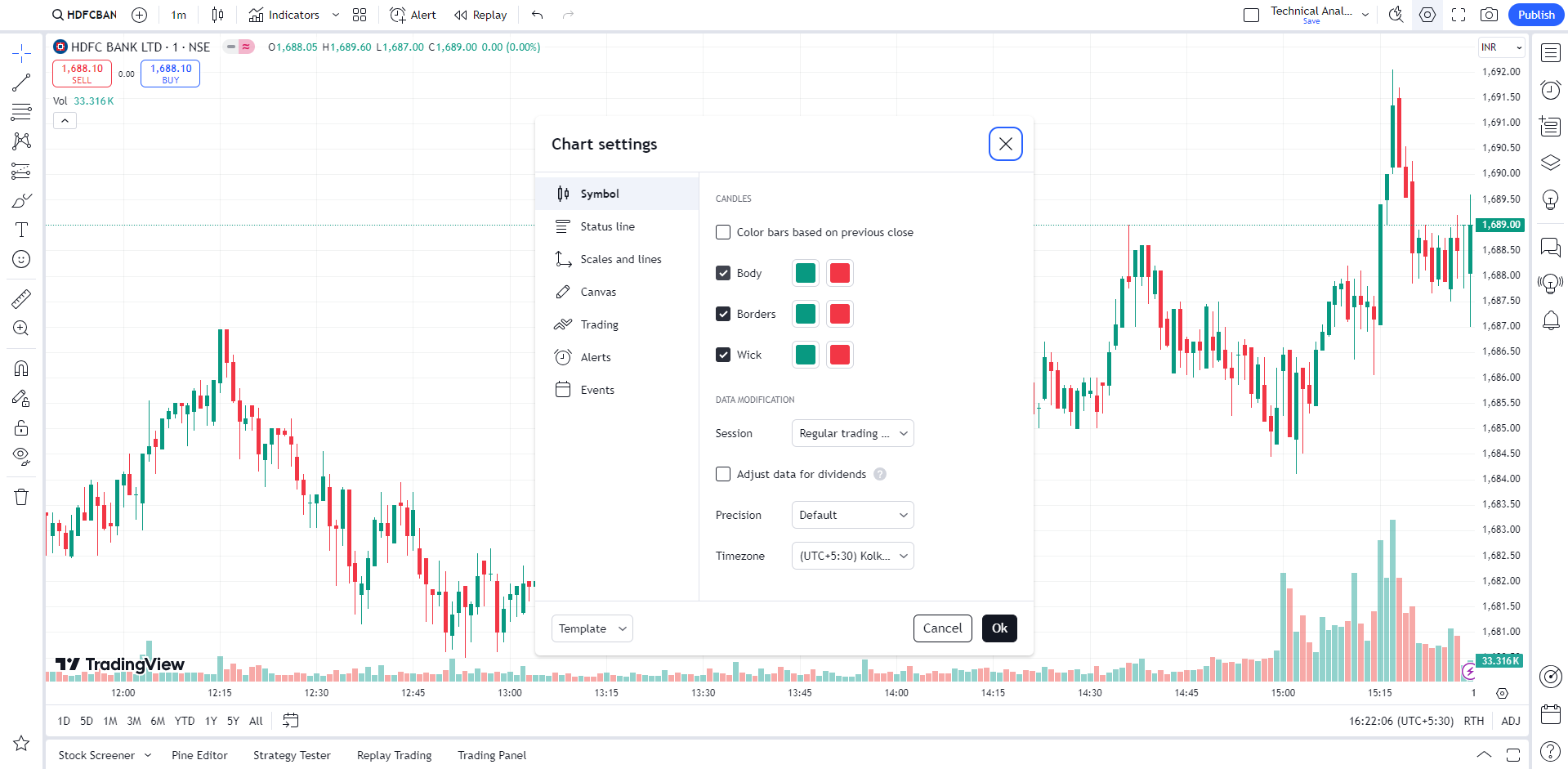
    Now, it is easy to customize your charts by choosing from a wide range of colors and lines to suit your preferences. Be it highlighting trends, making certain data stand out or simply creating a cleaner view. These customization options also allow you to design charts to enhance readability and customize your workflow to fit your needs. You can even adjust the thickness of lines or apply different color schemes to indicators, interpret data more clearly and efficiently. This feature helps traders to clearly see the charts and tailor it specifically to their needs.

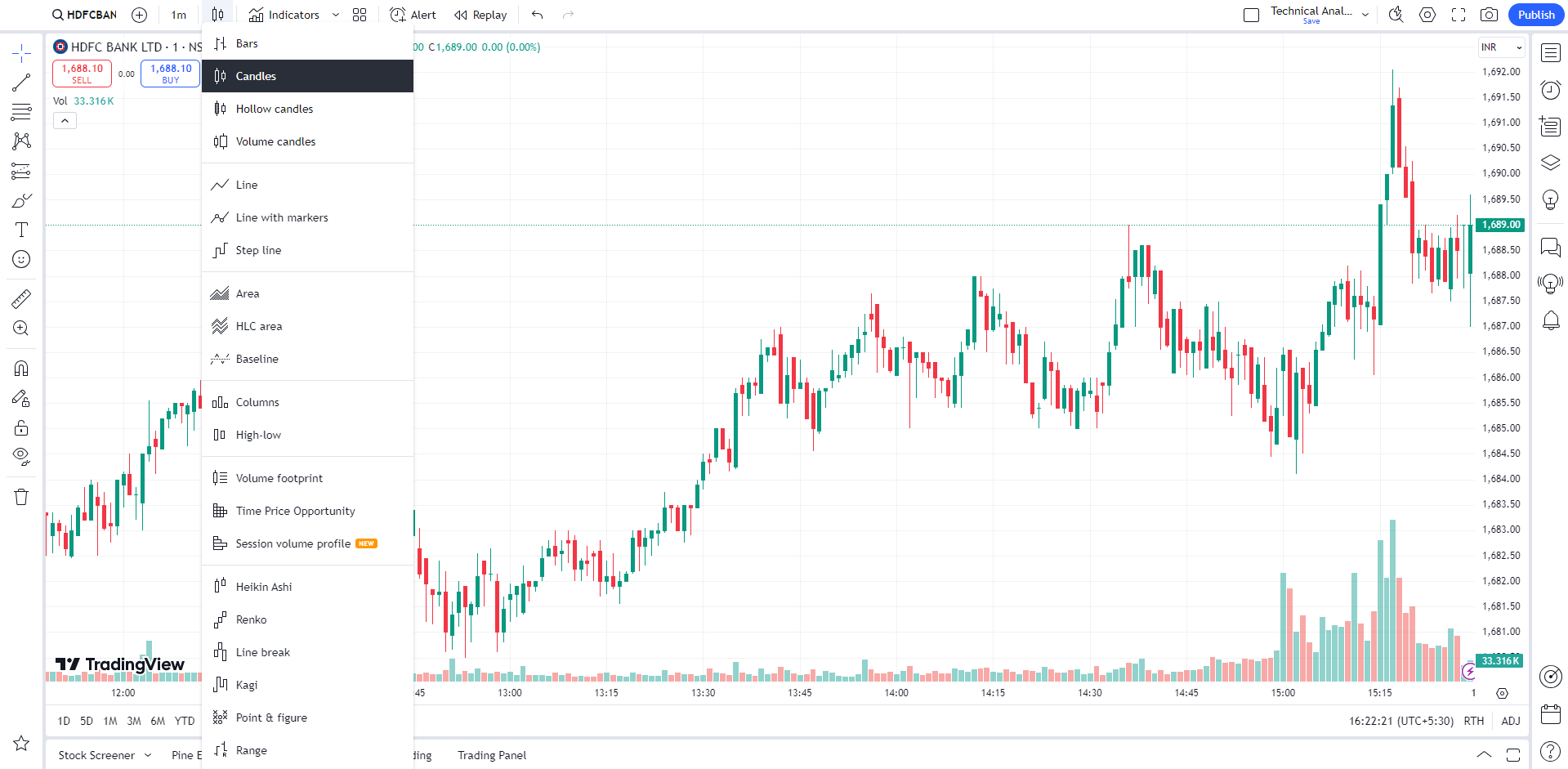
    Diverse Chart Types

    Be it candlesticks, bar charts, line graphs or even Heiken-Ashi, it is now easy to choose a chart type from all these varieties of chart types. Each chart type offers a different view on price action and allows you to gain deeper insights into market trends and patterns. Now, you can easily switch between them and choose the one that fits your trading strategy or current market conditions. This flexible approach allows us to best visualize the data that is meaningful and personalized for you.

    stock-chart-type

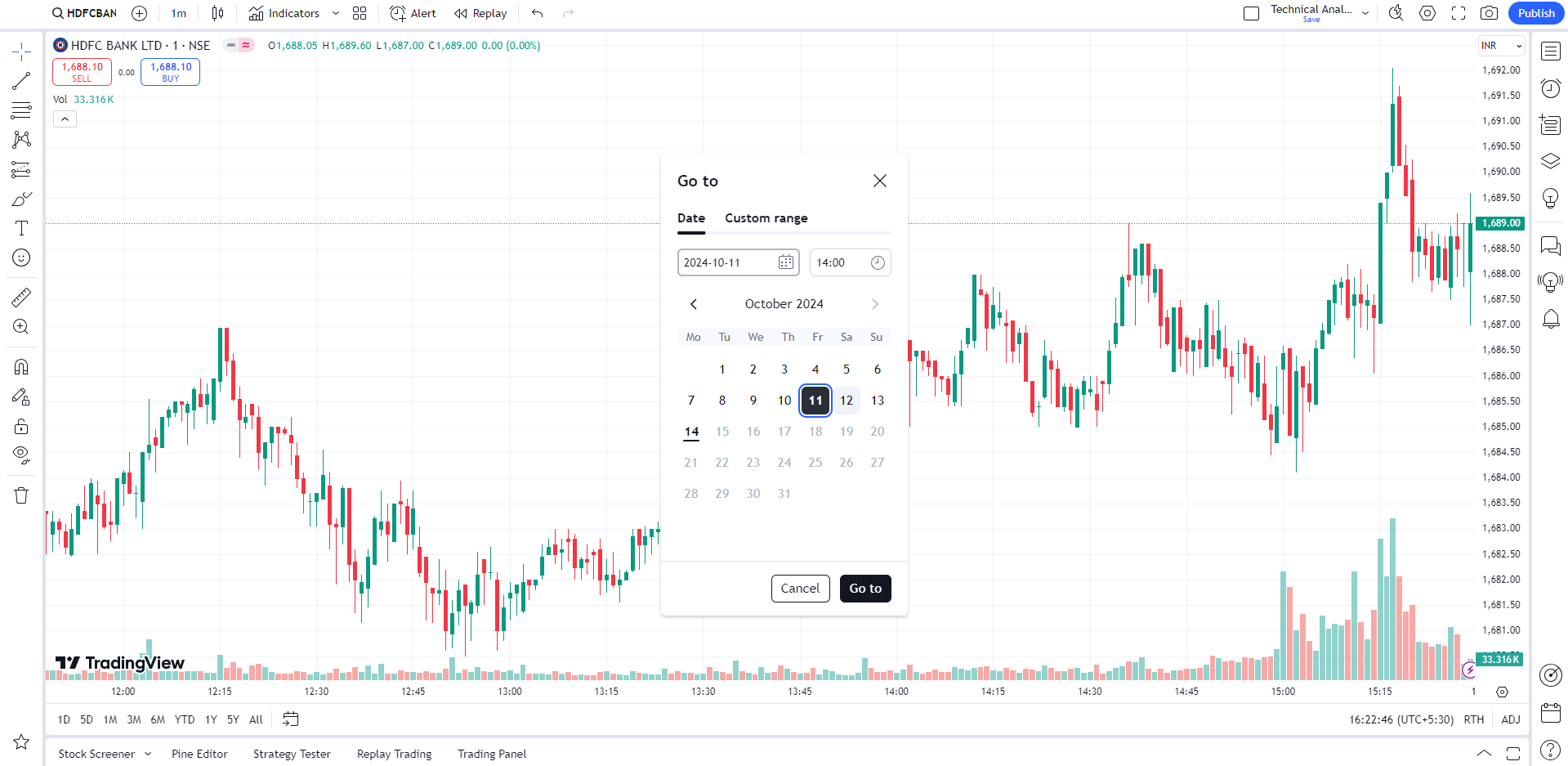
    Navigate to Specific Dates and Timeframes

    It has now become easy to explore a stock’s historical performance by jumping to specific dates and time frames in just a few clicks. If you’re looking to analyze how a stock behaved during a particular day or during a period, this will help you zoom in and out on the exact data you need. This is perfect for traders who rely on detailed historical data to spot trends, past market reactions or even fine tune or optimize their algo trading strategies. This will also help you stay focused on making informed decisions without getting lost in the data.

    timeframe

    This integration will allow you to dive deep into advanced technical analysis with familiar tools and layouts, making it easier to track your investments. You’ll also have access to real-time stock news, keeping you updated on market-moving events, and an economic calendar so you never miss key data releases that could impact your trading strategy.

    With everything in one place—from customizable charts to market insights—Findoc is set to become your go-to platform for algo trading. Get ready to take your investments to the next level—happy trading!

  • Analyzing Hyundai’s Upcoming IPO Before You Invest

    Analyzing Hyundai’s Upcoming IPO Before You Invest

    Hyundai Motor India Limited has become a key player in the Indian automobile sector and is coming up with a highly anticipated initial public offering (IPO). However, before you invest, it is essential to understand the key details about this large-cap automotive company: Hyundai Motor India Limited. In this blog, we provide an overview of Hyundai’s upcoming IPO, explore insights into the company, highlight its core strengths, and examine potential risks.

    Hyundai IPO Details

    Bidding Dates

    15 Oct ’24 – 17 Oct ’24

    Minimum Investment

    ₹ 13,720 / 1 Lot (7 Shares)

    Price Range

    ₹ 1,865 – ₹ 1,960

    Maximum Investment

    ₹1,92,080 / 14 Lot (98 Shares)

    Retail Discount

    To be announced

    Issue Size

    ₹ 27,870.16 Cr

    Investor Category and Subcategory

    Qualified Institutional Buyers (QIBs) |  Retail Individual Investors |  Non-institutional Investors (NIIs) |  Eligible Employees and Eligible Shareholders

    Hyundai IPO Dates

    IPO Opening Date Oct 15, 2024
    IPO Closing Date Oct 17, 2024
    IPO Allotment Date Oct 18, 2024
    Initiation of Refunds Oct 21, 2024
    Listing Date Oct 22, 2024

    Hyundai Motor India Limited is planning to offer 14,21,94,700 equity shares, making the IPO issue size approximately ₹27,870.16 crore, positioning it as one of India’s biggest mainboard IPOs.

    The issue is entirely an Offer for Sale (OFS). The Hyundai IPO will open for subscription on Tuesday, 15th October, and will close on 17th October. The price band is set at ₹1865 to ₹1960 per share, with a minimum lot size of 7 shares. After the IPO, the offered shares will represent 17.50% of company’s total equity share capital.

    About Hyundai Motor India Ltd

    Founded in 1996, Hyundai is a part of the global group based in Korea and is one of the leading automobile industry groups.

    Their production includes a variety of passenger vehicles, ranging mostly from sedans to hatchbacks, SUVs, and electric vehicles. By offering such cars, Hyundai has emerged as one of India’s two largest automakers, by domestic sales as well as being the largest exporter, supplying cars to more than 150 countries around the world.

    The company has a manufacturing plant near Chennai, capable of producing Hyundai’s whole range of passenger vehicles. Additionally, they have an R&D center in Hyderabad that caters to global R&D needs from Korea.

    Peer Details:

    Company Market Cap
    Maruti Suzuki India Limited ₹4,01,088 Cr
    Tata Motors Limited ₹3,45,690 Cr
    Mahindra & Mahindra Limited ₹3,92,240 Cr

    Things to Know Before Investing in Hyundai IPO

    Strength of the company

    • Wide product range: Hyundai offers a diverse range of models and electric vehicles. This lineup allows the company to appeal to different types of buyers across India, maintaining a broad customer base.
    • Export leadership: Hyundai is a large exporter, sending out 3.53 million vehicles to more than 150 countries since its inception. This enables the company to serve markets in Latin America, Africa, the Middle East, and Asia, solidifying its role as a key supplier in global automobile production.
    • Local R&D support: The R&D center in Hyderabad supports global research for compact vehicles. This focus on local customizations is essential for catering to Indian customer preferences, helping Hyundai remain competitive.
    • Extensive sales and service network: Hyundai has established a strong presence in India, with 1,366 sales outlets and 1,550 service centers, ensuring customers can easily access sales and support in both urban and rural areas.
    • Healthy financial growth: The revenue of the company has consistently grown over the years, from ₹40,972.25 crore in 2021 to ₹60,307.58 crore in 2023. This financial growth reflects strong customer demand and efficient operations.

    Risks Related to the Company

    • Supply chain risks: Hyundai relies on a limited number of suppliers for its parts. Any disruptions could impact production and overall operations.
    • Legal challenges: Hyundai faces several legal cases, including tax claims and civil litigations amounting to ₹5,469.80 crore. Negative outcomes in these proceedings could affect the company’s financial stability.
    • Single production facility: Hyundai’s manufacturing operations are concentrated in one plant in Chennai. Any disruption at this facility could significantly impact their ability to meet market demand.
    • Competition from sister companies: Hyundai’s parent group includes other companies like Kia, which operate in similar market segments. This competition could affect Hyundai’s growth and market presence.
    • Large focus on SUVs: A substantial part of Hyundai’s success in India is due to its SUV models. Any decline in SUV demand could negatively impact the company’s sales.
    • Financial liabilities: Hyundai has borrowings of ₹784.48 crore (as of December 2023). Failing to meet these obligations could lead to financial strain.

    Financial Information of the Company

    Particulars Year ending on March 31, 2023 Year ending on March 31, 2022
    Revenue from Operations (in ₹ million) 603,075.80 473,784.32
    Profit After Tax (PAT) (in ₹ million) 47,092.50 29,015.91
    Cash & Cash Equivalents (in ₹ million) 177,411.47 141,388.42
    Total sales volume (x) 720,565 610,760
    Net Worth (in ₹ million) 200,548.18 168,562.55
    Earnings Per Share (“EPS”) 57.96 35.71
    Total Borrowings (in ₹ million) 11,586.00 11,400.33
    Return On Capital Employed (%) 28.75 20.37

    Source: Hyundai India RHP | Company Profile: Hyundai Motor India Limited

    Conclusion

    Hyundai IPO presents a good opportunity for investors seeking exposure to the automobile sector. The company has a strong foundation, offering a diverse range of vehicles, a proven track record, and impressive financial growth. However, investors should consider potential risks like supplier dependence, legal liabilities, and competition with sister companies before making any decisions. Pay close attention to the upcoming Hyundai IPO details and proceed with caution.

  • A Comprehensive Guide to Foreign Portfolio Investment (FPI)

    A Comprehensive Guide to Foreign Portfolio Investment (FPI)

    Imagine sipping your favorite drink somewhere in Europe while your money works for you in India. The Indian stock market has grown tremendously over time. In fact, Bloomberg noted a 270% rally in the Bombay Stock Exchange (BSE), designating it as a leading stock performer.

    In this guide, we’ll walk you through the meaning of foreign portfolio investment (FPI), its benefits, eligibility criteria, risks, and how to invest.

    What is Foreign Portfolio Investment (FPI)?

    Foreign portfolio investment (FPI) includes cross-border securities such as stocks, bonds, and derivatives held by investors in a different country. For example, a foreign investor interested in India’s publicly traded securities can invest through FPI. Although FPI is highly liquid and offers quicker returns on investment, the investor has no direct control over the investments.

    Who is Eligible for Making Foreign Portfolio Investments?

    To qualify for making foreign portfolio investments, an investor should meet the following criteria:

    • Should not be a resident of India under the Income-tax Act of 1961.
    • Should not be a Non-Resident Indian (NRI), which refers to Indian nationals residing abroad indefinitely.
    • Must be a resident of a country whose securities regulatory body is a signatory to IOSCO’s multilateral memorandum or a bilateral memorandum with SEBI.
    • Should reside in a nation categorized by the FATF as:
      • Having strategic Anti-Money Laundering measures or one dealing with terrorism financiers subject to counter-measures.
      • Failing to make adequate advancements in addressing identified deficiencies or showing no commitment to developing a plan with FATF to address them.
    • Should be legally allowed to invest in cross-border securities beyond their country.
    • If the investor is a bank, its resident central bank must be a member of the Bank for International Settlements (BIS).
    • If a corporation or trust, it must be expressly permitted by its memorandum or articles of association.
    • Should be financially sound, sufficiently experienced, professionally suitable, and display integrity and fairness.
    • Should meet the Schedule II SEBI 2008 criteria.

    How Are Foreign Portfolio Investments Categorized?

    FPIs are categorized based on the mode of registration. Here are the three categories:

    • Category I: Comprises government or related investors, such as central banks, governments, multilateral agencies, and international organizations.
    • Category II: Includes broad-based funds like insurance and mutual funds, regulated persons like portfolio managers, and unregulated broad-based funds with regulated investment managers.
    • Category III: Covers entities not included in Categories I and II, such as individuals, charitable societies, family offices, corporate bodies, and foundations.

    Key Benefits of Foreign Portfolio Investments

    • Portfolio diversification: FPI allows investors to diversify their portfolios and spread risk in international securities markets. This reduces their dependence on the domestic market and broadens their risk-adjusted returns. For example, if you have invested in U.S. stocks but want to add Asian equities to your portfolio, this helps buffer your investments against U.S. market downturns.
    • Higher liquidity: Since most foreign portfolio investments are highly liquid, investors can easily sell them to generate quick cash. Likewise, they can take advantage of buying opportunities as they arise.
    • Access to new investment markets: FPI opens investment opportunities in markets lacking in an investor’s home country. For instance, a Scandinavian investor focused on renewable energy may want to tap into manufacturing securities in Southeast Asia, particularly India. FPI makes this possible.
    • Higher return prospects: Investing in new frontiers can lead to increased returns. For example, India’s rapidly growing economy offers investors higher potential for aggressive returns. Foreign investors who invested in India’s financial growth sector via FPI have often seen significant gains compared to their domestic markets.
    • Exchange rate benefit: FPI allows investors to hedge against their home country’s currency depreciation. If an investor’s home currency becomes unstable, they can leverage FPI returns from more stable currencies, such as the Indian Rupee, to mitigate losses.

    Foreign Portfolio Investment Risks

    • Currency volatility: When investing, you buy securities in a foreign country’s currency at the prevailing exchange rate. Depending on how your home currency moves after the sale, this could impact your returns positively or negatively.
    • Liquidity risk: This refers to the difficulty in selling your investments promptly without significant losses, often due to economic or political instability. As a foreign investor, it’s difficult to completely shield yourself from liquidity risks.
    • Increased transaction costs: Depending on your choice of foreign market, transaction costs may be minimal or significant. You may incur fees such as brokerage fees, transaction taxes, exchange fees, depository charges, and exit loads. Additionally, if you hire a fund manager, fees will multiply.

    Here’s an example of typical transaction costs for investing in India:

    Transaction Cost Rate
    Brokerage fees 0.01% – 0.5%
    Securities Transaction Tax (STT) 0.025% on purchase and sale
    Depository Participant charges INR 12.5 plus 18% GST per stock per day
    Exit load Varies

    Note: These costs are just an example and are often negligible.

    How to Venture into Foreign Portfolio Investment

    1. Designate a legal representative to help you obtain an FPI license as per SEBI regulations.
    2. Choose a tax advisor to assist with record maintenance, fund repatriation, annual tax compilation, and tax representation.
    3. Designate a domestic partner or custodian like Findoc to help you open a demat account and manage other custodial services.

    Key Takeaways on Foreign Portfolio Investments (FPI)

    Foreign portfolio investment allows you to diversify your portfolio and take advantage of international markets. To enter this space, it’s important to understand the regulatory framework and select the right investment vehicles cautiously.

    Findoc is here to guide you through the entire foreign portfolio investment process hassle-free. Let’s get started with our FPI broking and execution services.

  • The Impact of Geopolitics on Commodity Market

    The Impact of Geopolitics on Commodity Market

    Geopolitical risks threaten the supply and demand of commodities, significantly affecting their prices. Events like trade wars, civil unrest, and regulatory changes disrupt the commodity supply chain and pricing, fragmenting trade. For example, the World Bank projected that any further conflict escalation in the Middle East could significantly increase Brent crude oil prices to $92 per barrel, which would contribute to rising global inflation.

    When geopolitical risks increase, regions that produce primary commodities modify their supply policies, raising supply uncertainty. This leads to a simultaneous increase in price volatility. As demand competes for limited supply, prices may rise even further. If you’re trading commodities, it’s important to stay informed about the impact of geopolitics on commodity market.

    This article examines the impact of geopolitics on commodity market. Read on to learn how recent regional disruptions affect commodity market prices and trade.

    How Geopolitics Impacts Commodity Market

    1. Supply Chain Disruption

    Geopolitical events can significantly disrupt supply networks, which directly affect commodity market. For example, areas rich in resources often experience political instability, which throws their commodity supply off balance, leading to reduced production or a complete halt in supply.

    Consider the Middle East, a major global oil-producing region. If civil unrest erupts, it negatively affects mass oil production. An example of this was the 2010 Arab Spring, which crippled oil exports and caused prices to skyrocket. Venezuela, too, has been plagued by political upheavals, which have hindered its oil production.

    This reduction in supply fuels market uncertainty, leading to price volatility. As a result, traders may add a risk premium to the traded commodity, driving prices even higher. They typically do this to hedge against potential shortfalls in supply in the future.

    2. Currency Value Appreciation or Depreciation

    When the currency of a net importer appreciates or depreciates, it affects that country’s purchasing power. Simply put, a weak currency can drive up commodity market, and vice versa.

    For instance, if the Indian Rupee (INR) appreciates against another currency, an international buyer purchasing a commodity priced in INR will find it more expensive. Over time, the demand for that commodity may shrink as exports decline due to comparatively high prices.

    Political instability also affects currency values. A case in point is Brexit, which caused significant fluctuations in the British pound. The weakening of the pound sparked investor interest in gold and other safe-haven commodities like oil as investors sought to hedge against currency risks.

    3. Tariffs and Trade Policies

    Trade policies are geopolitical strategies that can cause commodity prices to fluctuate. Take the trade war between China and the United States in 2018 as an example. Both countries imposed strict tariffs on each other’s imported commodities, affecting the prices of primary goods like pork and soybeans.

    China, for example, is one of the leading importers of soybeans from the United States. When China imposed heavy tariffs on this commodity, the U.S. had to find alternative markets for its product, often at lower prices due to an excess of supply. This illustrates how trade barriers can create inefficiencies in the commodity market, leading to price fluctuations.

    4. Military Actions or Conflicts

    Conflicts and military actions can significantly affect commodity market by disrupting the production and distribution of goods. Lower production leads to global shortages, causing prices to soar. For instance, Mali, a country rich in gold, has faced numerous challenges in its mining operations due to political turmoil. These bottlenecks can cause gold prices to surge in global markets.

    5. Sanctions and Embargoes

    A country facing sanctions is unable to export its key commodities optimally, leading to regional supply shortages and increased prices. A classic example is Iran, which has faced multiple rounds of U.S. sanctions. These sanctions severed Iran’s connections with existing customers, forcing it to seek alternative oil buyers at discounted prices.

    Another example is the Russia-Ukraine conflict, which has affected the sale of energy and agricultural commodities. This has caused significant price volatility due to restricted markets. Similarly, embargoes can completely ban trade with specific countries, leading to sharp price shifts.

    6. Transportation and Infrastructure Disruptions

    Infrastructure is a crucial part of the supply chain network. Any disruption, such as natural disasters or political chaos, affects global supply. The result is increased shipping costs, which are then passed on to consumers in the form of higher commodity prices. This is particularly noticeable in sensitive commodities like oil and perishables.

    One notable example occurred in 2021 when the Suez Canal, a critical global shipping passage, was blocked for six days. This led to significant shipping delays, and the resulting temporary hoarding of goods caused oil prices and shipping costs to escalate. Similarly, land transportation delays caused by regional civil wars can create localized commodity shortages, driving up prices.

    Conclusion

    Geopolitical factors shape commodity prices, with effects that start at the supply chain level and lead to market volatility. As nations grapple with unprecedented pressures, investors should stay informed about geopolitical developments that may impact commodity market. This allows them to mitigate investment risks and seize opportunities in real time.

    Research thoroughly before investing in commodities like agriculture, oil, gold, base metals, or energy. At Findoc, we recommend diversifying your commodities portfolio to minimize risks. Start commodity trading today!

  • Understanding the Role of Mutual Funds in Retirement Planning

    Understanding the Role of Mutual Funds in Retirement Planning

    A mutual fund pools money from various investors and invests it in a diverse range of assets, including stocks, bonds, money market funds, and government securities. Mutual funds are regulated by SEBI in India to ensure transparency and protect investor interests. When these investments generate income, the earnings are distributed proportionately among the investors. The overall collection of these investments is known as a portfolio.

    In recent years, investment funds like mutual funds have become increasingly popular, particularly for retirement planning. According to global statistics from 2023, 60% of individuals have increased their mutual fund investments, with 79% citing retirement as their primary goal. In India, individual investors made up about 96.9% of listed mutual funds investments in 2021, highlighting the growing use of mutual funds to supplement retirement income.

    This article explores how mutual funds with dividends can play a critical role in securing your retirement. Keep reading to learn how you can mitigate retirement risks by investing in mutual funds.

    The Role of Mutual Funds in Retirement Planning

    1. Diversification

    You’ve probably heard the phrase, “Don’t put all your eggs in one basket.” Mutual funds embody this principle by spreading investments across various asset classes or industries, reducing exposure to the risk of any single market or asset.

    For instance, if one stock in your mutual fund portfolio declines, its impact can be cushioned by gains from other stocks. This diversification allows investors to match their risk tolerance to their retirement goals. Younger investors, for example, may opt for higher-risk equity funds targeting growth, while those nearing retirement might prefer balanced or bond funds with more stable returns.

    2. Compounded Growth

    Mutual funds also allow for the compounding of returns. This means the earnings generated by your investment are reinvested back into the fund, helping your money grow at an accelerated rate over time.

    For example, if you invest ₹20,000 in a mutual fund that offers an annual return of 9%, your returns will be reinvested each year, allowing your initial investment to grow significantly over a longer period, such as 10 or 20 years, without any additional input from you.

    3. Professional Management

    Mutual funds are managed by professional fund managers who have extensive knowledge of the markets and a deep understanding of different asset classes. They make informed decisions based on market research and trends, ensuring that your money is allocated efficiently across multiple investments.

    These experts help reduce the burden of constantly monitoring the market, ensuring that your portfolio is optimized and aligned with your long-term goals, including minimizing potential losses due to market fluctuations.

    4. Tax Benefits

    Certain mutual funds offer tax-saving benefits, which can be especially useful in retirement planning. For example, Equity Linked Savings Schemes (ELSS) allow you to lock your investment for three years and qualify for a tax deduction of up to ₹1,50,000 under Section 80C of the Income Tax Act. Additionally, the gains from ELSS after the three-year period are treated as long-term capital gains and are taxed at 10% if they exceed ₹1 lakh in a financial year.

    Debt funds also offer tax-efficient benefits through indexation, which helps lower the tax burden on long-term capital gains. Additionally, if you invest in mutual funds via the National Pension Scheme (NPS), you can defer taxes until withdrawal, and in some cases, you may even qualify for full tax exemption under certain conditions.

    5. Steady Retirement Income

    As you approach retirement, a steady income stream becomes essential, and mutual funds can help provide this. Many mutual funds invest in a combination of equity and debt, offering periodic payouts through dividends or interest, which can supplement your income during retirement.

    Some mutual funds also offer plans that allow for systematic withdrawals, ensuring a consistent cash flow in your post-retirement years. Your fund manager can also customize a systematic withdrawal plan (SWP) that aligns with your specific needs, ensuring your investment lasts throughout your retirement.

    6. Flexibility

    One of the key advantages of mutual funds is their flexibility. You can adjust your portfolio as your financial needs or risk tolerance change over time. For example, as you near retirement and become more risk-averse, you can shift from equity to debt investments. Mutual funds are also highly liquid, meaning you can access your funds in case of an emergency without much hassle.

    Drawbacks of Mutual Funds

    While mutual funds offer many benefits, there are drawbacks of mutual funds to consider. One such drawback is the potential for high mutual funds fees, which can eat into your returns over time. When you compare mutual funds, it’s important to evaluate these fees, such as expense ratios, to ensure they align with your investment goals. Additionally, mutual funds can be subject to market volatility, which means your returns are not guaranteed, especially in the short term.

    Key Takeaways for Retirement Planning

    A diversified portfolio is crucial for managing risk, and mutual funds provide an excellent platform to diversify across various asset classes. By investing in mutual funds, you can align your portfolio with your risk tolerance and retirement timeline, ensuring financial security in your later years.

    Start building your retirement corpus today with the Findoc by investing in a range of large-cap, mid-cap, and small-cap mutual funds. We’ll help you create a robust plan for your post-retirement life.

  • How Machine Learning Enhances Algorithmic Trading Models

    How Machine Learning Enhances Algorithmic Trading Models

    Incorporating machine learning into securities trading has transformed how trading is executed, driving significant growth in the sector. As of recent reports, the global algo trading market is valued at approximately USD 14.42 billion, and it’s projected to reach USD 23.74 billion by 2029.

    Machine learning leverages vast amounts of data to assist traders in making optimal, real-time decisions. It’s a powerful tool for automating processes, identifying patterns, and executing complex trading strategies.

    This article explores how machine learning enhances algo trading models and improves trading performance.

    Seven Ways Machine Learning Enhances Algorithmic Trading Models

    1. Detect Anomalies in the Security Market

    Machine learning algorithms continuously monitor markets for anomalies. The financial markets can experience sudden volatility due to price swings, market manipulation, or unexpected news. If these disruptions aren’t detected promptly, they can significantly affect trading strategies. Machine learning models help detect anomalies early, allowing trading strategies to be updated automatically, minimizing potential losses.

    2. Optimize Real-Time Trading

    Named Entity Recognition (NER) helps companies analyze market data by extracting key entities, such as people or locations, to build relationship networks. For example, models like GloVe and BERT are used to improve trading algorithms by understanding the context of news or events that influence the market. Event detection tools also help capture and analyze critical news events, assessing their real-time impact on stock prices.

    Additionally, machine learning can enhance real-time trading with tools like chatbots, which can provide live stock price movements, real-time quotes, and alerts. This allows traders to supplement their judgment with accurate, up-to-date information on market behavior.

    3. Analyze Investor Sentiments

    Investor sentiment significantly impacts stock market movements. Companies are increasingly using machine learning to analyze investor sentiment and predict stock price changes. Natural Language Processing (NLP) tools analyze social media posts, news articles, and financial reports to gauge market sentiment. This analysis helps identify trends, which are then categorized as positive, negative, or neutral. For instance, positive sentiment may suggest rising stock prices, prompting traders to act accordingly.

    4. Predict Trades with Advanced Techniques

    Convolutional Neural Networks (CNNs) are used to recognize patterns in time-series financial data, helping traders identify stock price trends. By training these models on historical data, they can simulate realistic trading scenarios, improving their predictive accuracy.

    Transformer models are also useful for forecasting financial data over different time horizons. These models help traders identify patterns and make precise predictions, enhancing the decision-making process in the dynamic stock market.

    5. Manage Trading Risk

    Machine learning models analyze historical data alongside current market conditions to forecast potential trading risks. For instance, during a market downturn, these models can estimate possible losses, enabling traders to implement hedging strategies and avoid significant losses. Additionally, algorithmic trading systems can recommend diversified trading techniques, helping traders steer clear of underperforming assets.

    6. Execute High-Frequency Trading

    High-frequency trading involves executing large orders within fractions of a second—an impossible task for human traders. Machine learning plays a crucial role here by automating tasks and quickly executing trades based on complex algorithms. Techniques like Support Vector Machines (SVMs) help separate and classify data to identify whether the market is trending upwards or downwards, allowing traders to act instantly based on new data patterns.

    7. Minimize Human Bias in Trading

    Human traders are often influenced by emotions, leading to suboptimal decisions. Machine learning eliminates this bias by relying solely on data and logical analysis. For example, during periods of market volatility, a trader might panic and make impulsive decisions, whereas an algorithmic trading system would base decisions on data, avoiding emotional pitfalls.

    Conclusion

    As algo trading continues to evolve, those who embrace machine learning will stand out in the competitive landscape. Machine learning is shaping the future of trading by enabling traders to make smarter, data-driven decisions in real time.

  • How to Analyze an IPO Prospectus Before Investing

    How to Analyze an IPO Prospectus Before Investing

    When you invest in an IPO, you get a chance to own shares in a formerly private company’s growth. However, IPOs are generally risky and speculative, so it’s crucial to know how to analyze an IPO to avoid the trap of an unprofitable investment. Whether you’re engaging in pre-IPO investing or considering IPO stocks from the new companies on the stock market, understanding the fundamentals is key.

    In this guide, you’ll learn what factors to consider before committing to an IPO. Whether you’re following a new IPO list, or keeping an IPO watch list, this guide will help you effectively analyze IPO and stock market opportunities.

    How to Analyze an IPO in 6 Easy Steps

    Before starting with an IPO investment, it’s important to follow a clear approach to understand the company’s potential and risks. By following these key steps, you can evaluate whether the company IPO is a good fit for your financial goals. Here are six major steps to guide your analysis of any IPO in the stock market:

    1. Examine the IPO prospectus.
    2. Dissect the company’s financial metrics.
    3. Evaluate the existing market conditions.
    4. Analyze the industry competition.
    5. Appraise the company’s management team.
    6. Check the IPO demand.

    Let’s inspect each step closely to help you decide whether to invest in IPO or hold off.

    1. Examine the IPO Prospectus

    A prospectus is an offering document that provides key details about the company IPO, including pre-IPO shares, IPO terms, and the intended use of the funds. You should carefully examine this document and read it thoroughly to understand the offer terms before deciding to invest.

    Focus on sections like risk factors and management analysis to gain a clear view of the company’s operations, future growth strategy, and potential challenges. This way, you’ll be able to spot any red flags in time to reconsider.

    2. Dissect the Company’s Financial Metrics

    Here’s where you analyze the numbers. Check the company’s financial metrics such as cash flow, profitability, debt, and revenue. Review its balance sheet, paying attention to the debt-to-equity ratio over several years (e.g., five years), and observe the trend. A rising debt-to-equity ratio over time signals risk, as the company may struggle financially. Compare these values to industry averages to determine if the company is competitive in the IPO and stock market.

    Also, evaluate whether the company’s financial growth is sustainable by examining its revenue and profit margin trends. Keep in mind that some companies may still be in their early stages, with limited profits. That’s why understanding the growth trajectory is essential when analyzing new companies on the stock market and pre-IPO investing.

    3. Evaluate the Existing Market Conditions

    Assessing current market conditions helps you determine whether the market is bullish or bearish. Before investing in IPO stocks, check whether investors are showing rising interest in the stock or being cautious. Additionally, analyze factors like inflation rates, economic growth prospects, and interest rates, which can affect investment decisions.

    For instance, when interest rates are low, investing in IPO stocks may seem more appealing, making the IPO more attractive. Similarly, low inflation rates allow companies to save on costs, boosting profit margins. Consider how well you can handle such market pressures before investing in stocks about to go public.

    4. Analyze the Industry Competition

    Determine whether the company is an established industry leader or a new player in the market. Compare the company’s products or services to those of its competitors. Additionally, assess whether the company’s market share has grown or stagnated over time. This will provide insight into its competitiveness and help you decide if it’s worth investing in one of the best IPOs.

    Remember, even strong companies can struggle if the industry faces broader external challenges, such as regulatory changes or disruptive innovations. So, it’s crucial to evaluate the industry’s overall health and how the company compares within it.

    5. Appraise the Company’s Management Team

    Assess the management team’s experience and performance track records. If the top executives and key leaders have successfully guided a company through an IPO before, you can trust their leadership.

    Additionally, review the management’s strategy and the company’s corporate governance structures. This will give you clarity on the level of transparency and oversight, which is important when evaluating IPO and stocks.

    6. Check the IPO Demand

    Gauging IPO demand offers insight into how investors perceive the company’s value. Strong interest from large institutional investors is a positive sign, as they typically focus on the company’s long-term growth. Conversely, low interest could indicate concerns about the company’s prospects.

    Check the IPO subscription rates as well. Oversubscription suggests high demand and may result in a higher IPO price range. It can also create a temporary scarcity, potentially driving up the stock price post-listing and increasing share value. Depending on your investment goals—whether for short-term gains or long-term capital appreciation—timing your entry into the IPO watch list is crucial.

    Lastly, check if the company’s management holds a financial stake in the business. A significant investment from management indicates they are confident in the company’s growth and are aligned with shareholders’ interests.

    Key Takeaways on Analyzing the Worth of an IPO

    Knowing how to analyze an IPO is a crucial part of due diligence that helps you make informed investment decisions. Take your time to research and avoid making rushed decisions that could be costly in the long run.

    Stay informed by consulting seasoned investors and keeping up with the latest ipo news, whether you’re following the new IPO list or pre-IPO investing opportunities. Remember, learning how to analyze an IPO effectively is key to making smart investments in the IPO and stock market.

  • How to Become a successful professional Trader in 2024: All you need to know

    How to Become a successful professional Trader in 2024: All you need to know

    In recent years, the proliferation of online trading platforms has made it easier for individuals to participate in financial markets. Online trading refers to the process of buying and selling financial instruments through the Internet using a computer or mobile device.

    The growth of online trading can be attributed to several factors, including advances in technology, increased access to information, and the democratization of financial markets. With online trading, individuals can trade a wide range of financial instruments, including stocks, options, futures, currencies, and commodities.

    However, online trading carries its own set of risks, and individuals should be aware of these risks before engaging in online trading. Some of the risks associated with online trading include market risk, credit risk, operational risk, and regulatory risk.

    Market risk refers to the risk that the value of an investment may decline due to changes in market conditions, such as changes in interest rates, inflation, or political events. Credit risk refers to the risk that a counterparty may default on its obligations, resulting in a loss for the investor.

    Operational risk refers to the risk of loss due to human error, system failures, or other operational issues. Regulatory risk refers to the risk of loss due to changes in laws and regulations governing financial markets.

    Despite these risks, online trading has become increasingly popular, and its growth shows no signs of slowing down. As such, it is important for individuals to educate themselves about the risks associated with online trading and to develop a sound trading strategy that takes these risks into account.

    In the words of famous trade expert, Peter Lynch, “Know what you own, and know why you own it.” This quote emphasizes the importance of understanding one’s investments and the rationale behind them. With the right knowledge and strategy, individuals can navigate the risks of online trading and potentially reap the rewards of participating in financial markets. Following are some tips on how to become a professional trader in 2024:

    how to become a pro trader

    Tip 1: Develop a Trading Plan

    Firstly, as a professional trader, you need to develop a trading plan. It serves as your roadmap and outlines your strategy, including the markets you plan to trade in, the types of trades you will make, and your risk management strategy. It is important to assess your risk tolerance, understand your strengths and weaknesses, and conduct thorough research on the markets you plan to trade in. If you need help developing a trading plan, Findoc can assist you.

    Tip 2: Manage Your Risk

    Managing risk is crucial to successful trading. Before making any trade, you should always have a clear idea of your risk/reward ratio. This will help you determine whether a trade is worth making and how much you should risk. To manage your risk effectively, you need to have a solid understanding of risk management techniques such as stop-loss orders and position sizing. Findoc’s experienced financial advisors can help you manage your risk and avoid taking on too much risk.

    Tip 3: Learn from Your Mistakes

    Making mistakes is natural in trading. However, successful traders learn from their mistakes and use that knowledge to improve their strategy. To learn from your mistakes, you need to keep a trading journal and analyze your trades regularly. If you need guidance on how to learn from your mistakes, Findoc’s team of financial experts can provide valuable insights.

    Tip 4: Stay Disciplined

    Discipline is crucial to successful trading. You need to stay disciplined and stick to your plan, even when emotions run high. To stay disciplined, you can use tools and resources provided by Findoc, such as trading alerts and market analysis.

    Tip 5: Stay Informed

    Staying informed is essential to successful trading. The market is constantly changing, and you need to stay up-to-date on the latest news and trends. To stay informed, you need to conduct regular market research and follow financial news sources. Findoc’s financial experts can provide you with the latest market insights and help you stay ahead of the curve.

    Professional traders should also take precautions while trading in 2024. The market is more complex than ever, and it’s important to take precautions to avoid unnecessary risks.

    Be cautious with leverage: Leverage can magnify your profits, but it can also magnify your losses. Use it wisely and always keep your risk management strategy in mind.

    Keep an eye on global events: Global events can impact the market in unexpected ways. Stay informed and be prepared to adjust your strategy accordingly. This means keeping a close eye on political, economic, and social events that can affect the markets.

    Trading is a lucrative profession that requires discipline, a well-thought-out plan, and continuous learning. To become a professional trader in 2024, you need to navigate the complex world of trading and take necessary precautions to avoid unnecessary risks.

    However, successful traders learn from their mistakes and use that knowledge to improve their strategy. To learn from your mistakes, you need to keep a trading journal and analyze your trades regularly. If you need guidance on how to learn from your mistakes, Findoc’s team of financial experts can provide valuable insights.

    Findoc can be a helpful solution that has gained a reputation for helping traders navigate the complex world of trading while minimizing risks. Their team of financial experts is highly experienced and always available to provide guidance and support to traders. They offer a range of risk management services to help traders minimize their exposure to potential losses. Their commitment to providing personalized guidance and support has earned them a loyal following among traders.

    Wrapping up

    Becoming a professional trader in 2024 requires discipline, a well-thought-out plan, and continuous learning. By following these tips and taking precautions, you can minimize your risks and increase your chances of success. Working with Findoc, a leading stock broking company, can help you achieve your financial goals and navigate the complex world of trading with confidence.